

Most people know within a sip whether they like a beer. Fewer can say why. That gap is exactly what the Cicerone Certification Program was built to close: it's the beer world's answer to the sommelier exam, and candidates work through the same five checkpoints you're about to — appearance, aroma, flavor, mouthfeel, and finish.
You don't need a certificate to taste that way. You need a clean glass, ten quiet minutes, and the habit of paying attention in the same order every time. Here's how to build it.
Start With a Clean Glass and the Right Temperature
Before you judge a beer, remove the things that get in the way of judging it.
- A clean, dry glass. Rinse it and let it air dry. Detergent residue flattens the head and leaves a soapy note that has nothing to do with the brewer's work.
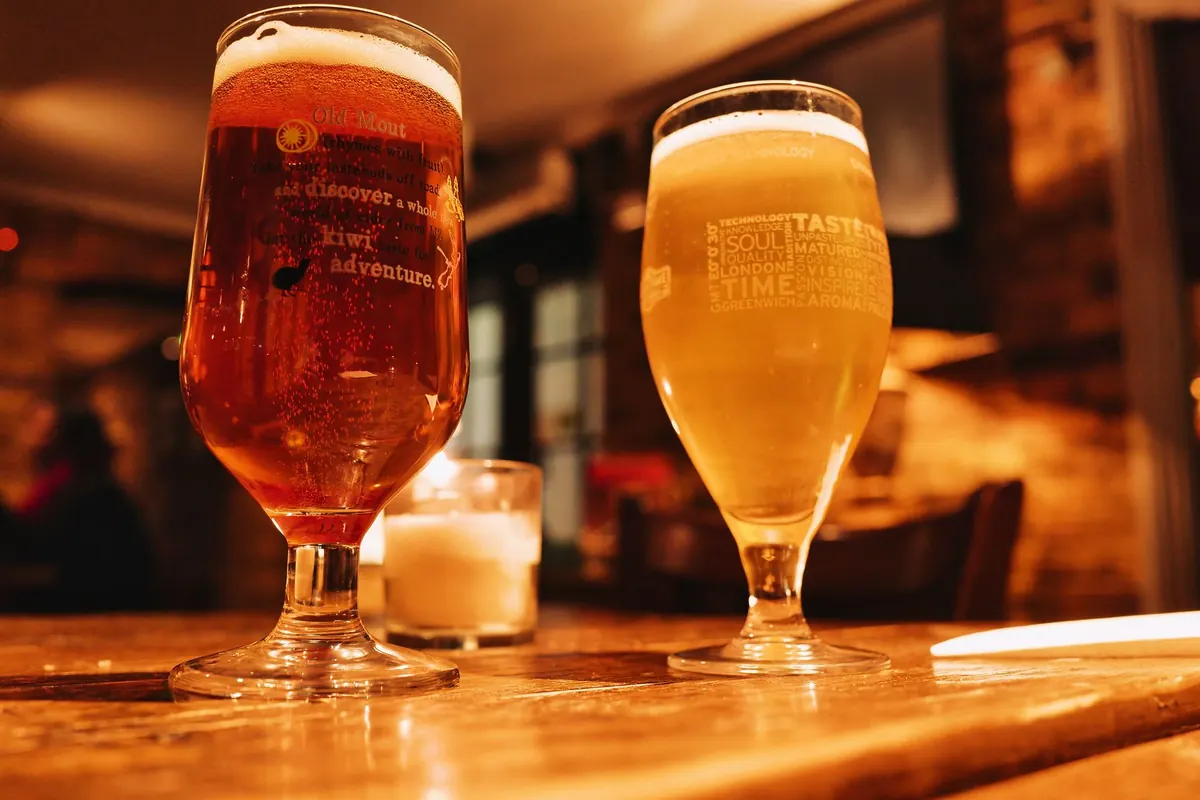
- A shape that concentrates aroma. A tulip, snifter, or stemmed glass with a narrowed rim traps volatiles. A wide-mouthed pint lets them drift off before you get there.
- The right temperature. Around 40–45°F for crisp lagers, 45–55°F for most ales, and warmer still for imperial stouts and barleywines. Cold suppresses aroma and sweetness; too warm pushes alcohol and harsh notes forward.
- Water and something plain. Sparkling water and a few crackers reset your palate between samples.
Skip the frosted mug. It's built to keep beer cold, not to let you taste it.
Appearance: Read the Glass Before You Drink
Hold the beer up to a light against something white. You're checking four things: color, clarity, head, and carbonation.
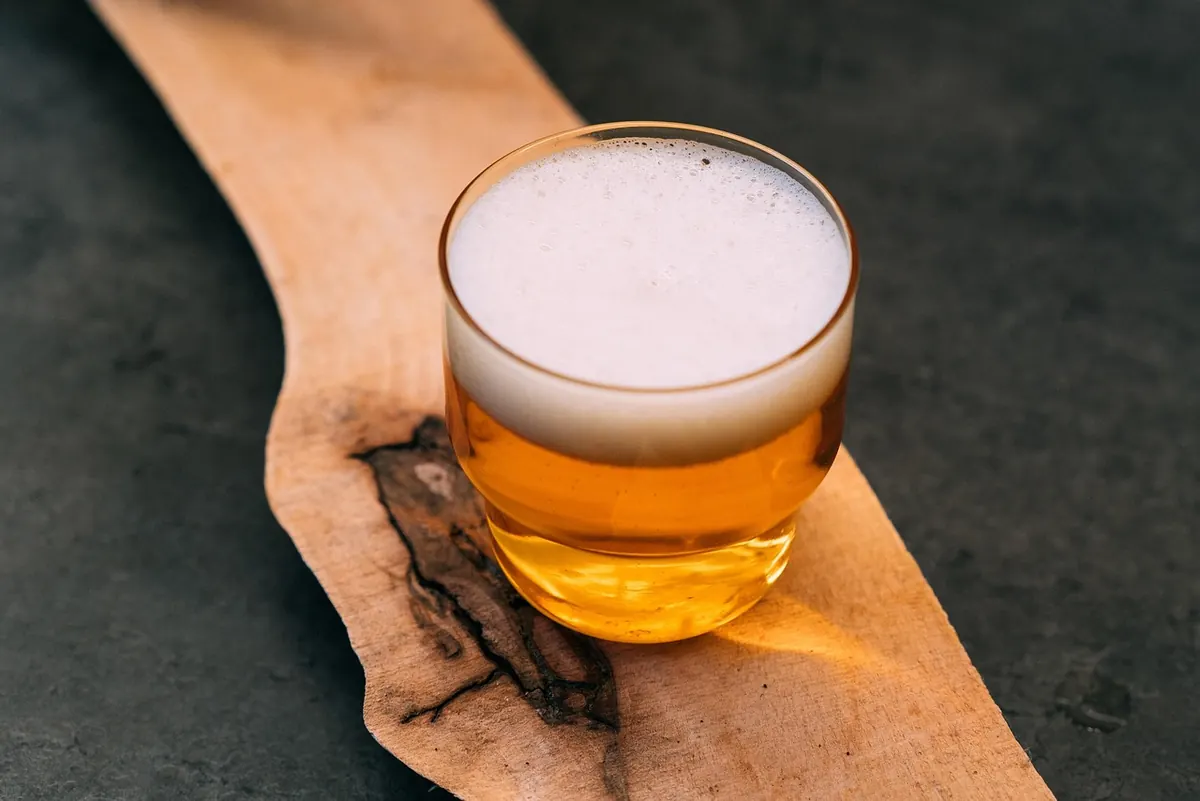
Color runs from pale straw to opaque black, and it tells you something about the grain bill — a deep amber suggests caramel or toasted malts, a black pour suggests roasted barley or dark malt. Clarity is trickier. Some haze is intentional: hefeweizens, witbiers, and hazy IPAs are supposed to look cloudy. Other haze appears only when the beer is cold and clears as it warms. That's chill haze, a harmless protein and polyphenol reaction, not spoilage.
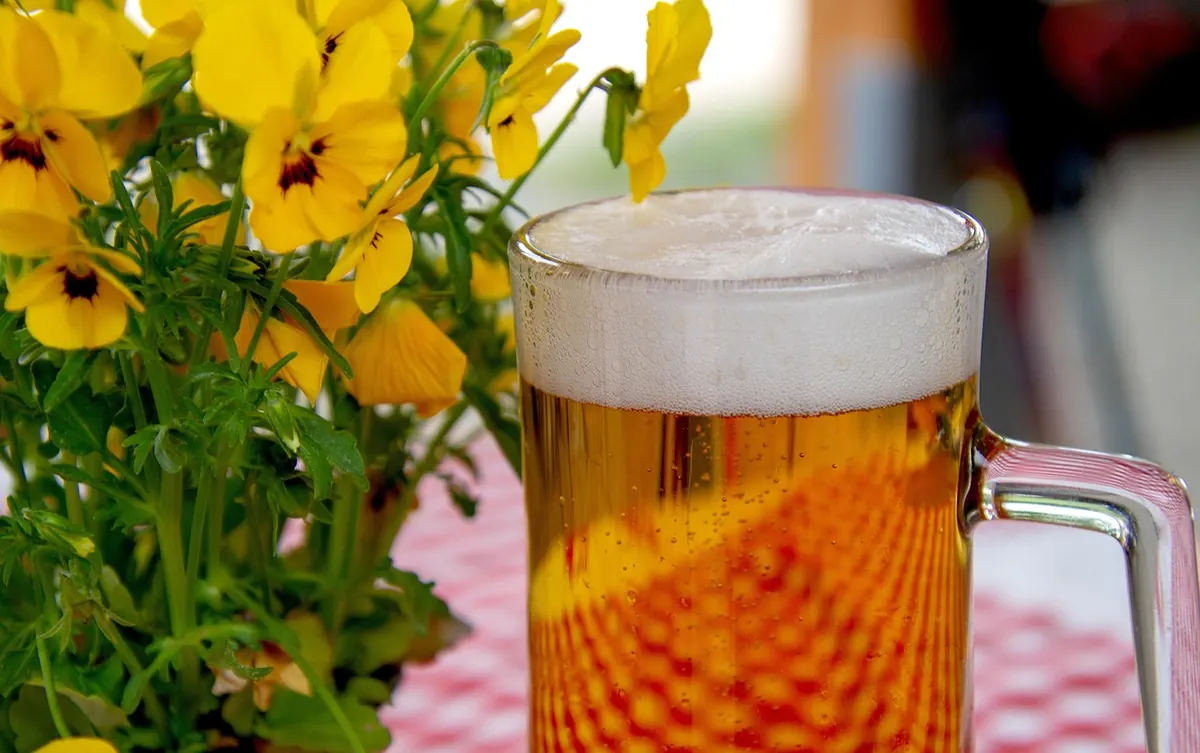
Then the head. A dense, fine-bubbled foam that persists is a good sign of a healthy pour and proper carbonation. As you drink, look for lacing — the rings of foam left on the glass. Belgian brewers call it brussels lace, and it's a small clue about body and malt character.
Aroma: Where Most of the Flavor Lives
What you call "taste" is mostly smell, and it arrives by two routes: orthonasal, through your nose, and retronasal, from the back of your mouth as you swallow. Aroma work is where beginners gain the most, fastest.
Swirl the beer gently, cover the rim with your hand for a second, then take two or three short sniffs rather than one long inhale. Long sniffs fatigue your receptors within seconds. Note your first impression, wait, and sniff again as the beer warms and releases more.
Common landmarks to hunt for:
- Malt: bread crust, biscuit, caramel, toast, chocolate, coffee.
- Hops: citrus, pine, resin, tropical fruit, grass, floral, spice.
- Yeast: banana, clove, black pepper, stone fruit, dough.
- Everything else: alcohol, vanilla or oak from barrels, and the occasional flaw.
A few off-flavors are worth learning by name: buttered popcorn (diacetyl), green apple (acetaldehyde), wet cardboard (oxidation), and skunk (light-struck, common in clear and green bottles). Keep context in mind, though — a touch of diacetyl is correct in some English styles, and acetaldehyde in a very young beer often fades with a week or two of patience.
Flavor: Sip, Wait, Sip Again
Take a small sip and don't swallow immediately. Let the beer roll across your tongue and warm for a beat. Ask yourself where things land: sweet or dry at the front? Where does the bitterness show up? Is there a bright acidity? Then swallow and notice the aroma that rises into your nose.
Your first sip is unreliable. Your palate is cold, and the beer hasn't opened up. Take a second sip a minute later and compare — this is when you'll catch malt sweetness that was hidden before, or a hop character that shifted from citrus to resin.
Finally, weigh the parts against each other. Balance doesn't mean mild; a double IPA or a milk stout can be intentionally extreme and still be well made. The question is whether the beer tastes deliberate.
Mouthfeel and Finish
Mouthfeel
This is texture, not taste. Body runs from watery to syrupy, and it comes largely from residual sugars, proteins, and glycerol. Carbonation can be prickly, soft, or creamy — a nitro pour feels smoother because the gas is delivered differently, not because the recipe changed. You'll also notice alcohol warmth and, in some beers, a drying astringency on the cheeks and gums.
The Finish
The finish is whatever stays with you after you swallow. Is it long or short? Clean or cluttered? A German pilsner snaps dry and disappears. A saison finishes dry and peppery. An imperial stout lingers sweet and warming for a minute or more. A harsh, drying bitterness that won't quit can point to a young or over-hopped beer — or it can be exactly what the style demands. Judge the finish against what the beer is trying to be.
A Routine You'll Actually Repeat
Tasting is a skill, and skills come from repetition. Use the same sequence every time and it becomes automatic within a few weeks.
- Pour about a third of a glass, at the right temperature, into a clean glass.
- Look. Color, clarity, head, lacing. Write one sentence.
- Swirl, cover, sniff twice. Write down the first three things you notice.
- Sip, hold, swallow. Note your immediate reaction.
- Wait a minute. Sip again and note what changed.
- Describe the finish, then write one line on whether you'd drink it again and why.
Tasting two similar beers side by side — a pilsner against a helles, two IPAs from different breweries — teaches you faster than sampling ten unrelated bottles. Write in plain language. "Smells like the crust of a rye loaf" beats a score out of ten, and it's a note you'll actually understand next year.
Practice Without Pressure
Keep pours small when you're evaluating. Two ounces is plenty, and a dump bucket is not a waste — professional tasters spit for a reason. Water between samples keeps your palate honest. If you keep a notebook, resist the urge to turn it into a scorecard; the vocabulary from style guidelines can help you describe what you find, but it shouldn't replace your own impressions.
Do this a handful of times and something shifts. Beer stops being a blur of "hoppy" or "malty" and becomes a set of specific, repeatable pleasures you can name and seek out again. That's the whole point. Then put the notebook away and drink the beer.
Photo: viarami / Pixabay
Related posts
More stories you’ll love reading