
Brewing
Lager vs. Ale: A Beginner's Guide to Fermentation, Flavor, and Food Pairing
September 17, 2026
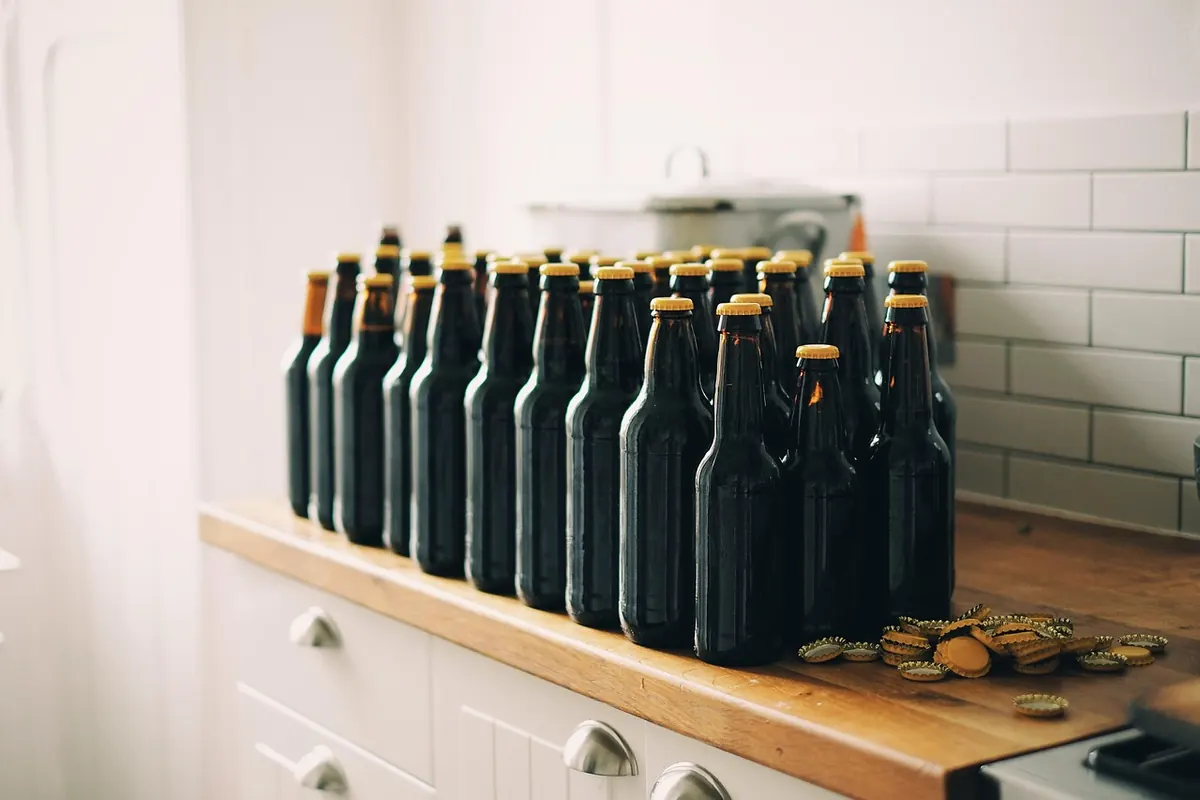
Set a pilsner and a pale ale in front of someone who drinks beer but has never thought about it and you'll usually get the same reaction: the ale seems fruitier, the lager cleaner. That isn't marketing talk. It comes down to two different yeast species working at two very different temperatures, and almost everything else — aroma, body, carbonation, the food you should eat with it — follows from that one split.
The Short Version: Two Yeasts, Two Temperature Ranges
Beer is grain, water, hops and yeast. The first three set the stage; the yeast decides what kind of performance you get. Brewers divide the two main families by species and by where the yeast tends to sit in the tank.
- Ales use Saccharomyces cerevisiae, a warm-loving yeast that ferments happily between roughly 15°C and 24°C (60–75°F). It often rises to the top of the vessel, which is why it's called top-fermenting. Primary fermentation can finish in a few days.
- Lagers use Saccharomyces pastorianus, which prefers cooler conditions, roughly 7°C to 13°C (45–55°F). It works more slowly and tends to settle near the bottom, so it's called bottom-fermenting. Add weeks of cold conditioning and a lager takes considerably longer to make.
The word lager comes from the German lagern, to store. That cold rest is not optional fussiness — it's part of the style's identity, smoothing out rough edges and helping the beer drop bright and clean.
Why Temperature Changes Everything
Yeast doesn't just make alcohol and carbon dioxide. It also throws off aromatic compounds, and warm fermentation encourages a group called esters. These read as pear, apple, banana, stone fruit, sometimes a light floral note. Some ale strains also produce phenols — clove, pepper, a faint smokiness — which is why a Belgian ale can smell like a spice rack while a British bitter smells like orchard fruit.
Ferment cool and those compounds mostly stay quiet. A lager yeast at 10°C produces far fewer esters, so the malt and hops get the microphone. You may notice a brief sulfur note in a young lager — think struck match — but that usually fades with conditioning. The result is the crisp, restrained profile people describe as "clean."
What You'll Taste in the Glass
These are tendencies, not laws, but they hold up often enough to be useful when you're standing in front of a tap list.
Ales tend toward
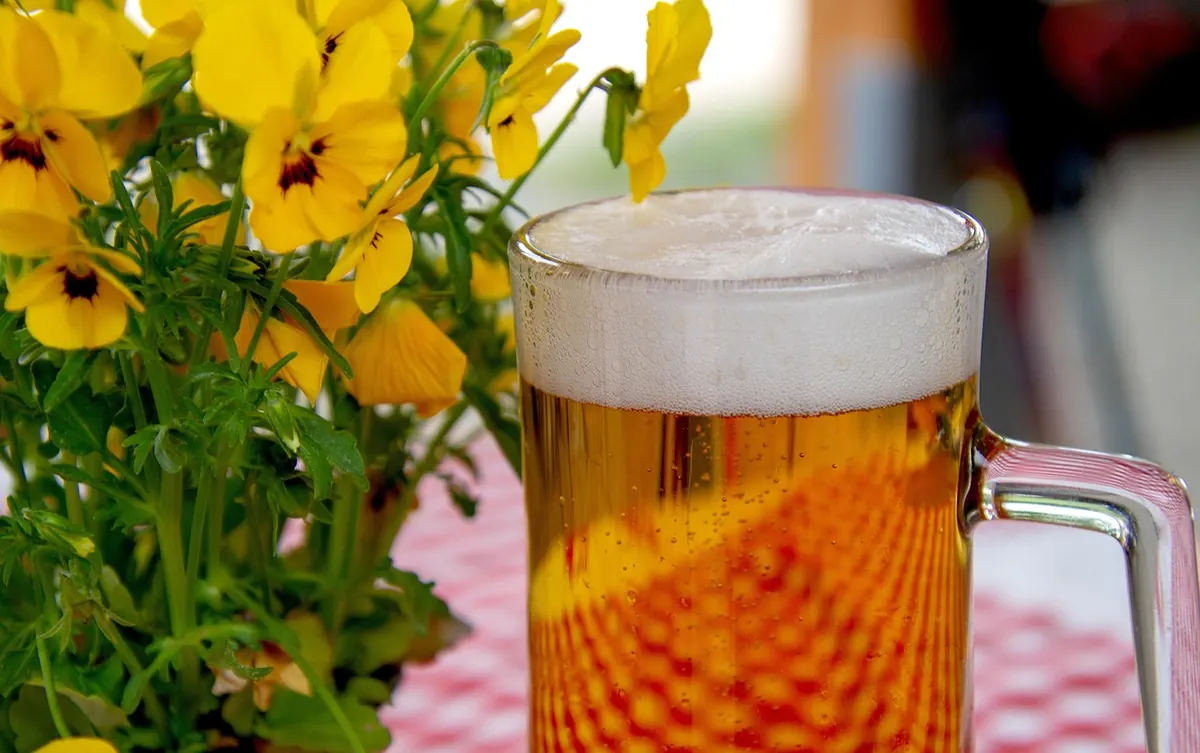
Rounder body, more aromatic lift, a fruitier mid-palate, and a finish that lingers. Many are served around 7–13°C (45–55°F) so the aromatics aren't numbed. Haze is normal in wheat beers and many hoppy ales; it isn't a defect.
Lagers tend toward
A leaner body, higher carbonation, a drier finish, and flavors that read as bread crust, honey, or clean herbal hops rather than fruit. Serve most at 3–7°C (38–45°F), though a good pilsner or märzen opens up noticeably if you let it warm for ten minutes.
Two reminders: dark lagers exist (doppelbock, Baltic porter, Czech dark lager), and plenty of ales are pale and delicate. Color tells you about the malt, not the yeast.
A Quick Tour of the Styles
If you know which family a beer belongs to, you already have a rough map of what's coming.
- Ales: pale ale, IPA, bitter, stout, porter, wheat beer, saison, Belgian dubbel and tripel, Kölsch, altbier.
- Lagers: pilsner, helles, Czech and German dark lagers, märzen (Oktoberfest), dunkel, bock and doppelbock, American light lager, Baltic porter.
Pairing: Rules Before Recipes
Forget memorizing charts. Five principles cover most situations, and they apply whether you're at a bar or cooking at home.
- Match the weight. A delicate beer next to a heavy dish disappears; a huge beer next to a delicate dish bulldozes it. Oysters want a pilsner. Braised short ribs want a doppelbock or a stout.
- Use carbonation as a scrub brush. Bubbles cut through fat. Fried fish, schnitzel and rich cheese all benefit from a well-carbonated lager.
- Use bitterness as a counterweight. Hop bitterness slices through cream, butter and oil. An IPA with a sharp cheddar or a coconut curry works for the same reason.
- Use malt sweetness against heat. A maltier beer — helles, märzen, amber ale — calms chili, mustard and pepper better than a bitter hop bomb, which tends to amplify the burn.
- Watch the yeast character. Big ester and phenol notes are wonderful with grilled meat and aged cheese, but they can fight with raw fish or very subtle dishes. That's where clean lagers earn their keep.
A few pairings that reliably land: pilsner with fried chicken or pretzels; helles with roast chicken or a soft pretzel and mustard; hefeweizen with weisswurst or a light salad; pale ale with burgers and pizza; IPA with spicy wings or blue cheese; stout with chocolate cake or oysters; doppelbock with braised pork.
When the Line Blurs
Real brewing is messier than two neat columns. Kölsch and altbier are ales brewed with ale yeast at cool temperatures, then conditioned cold — crisp like a lager, expressive like an ale. California common, sometimes sold as steam beer, is a lager yeast fermented warm. Some modern brewers push lager yeast into the high teens on purpose.
And the old idea that ales are "craft" while lagers are "macro" is simply out of date. Small breweries make excellent pilsners, and large breweries make plenty of ales. Judge the beer, not the category.
Try It Yourself This Weekend
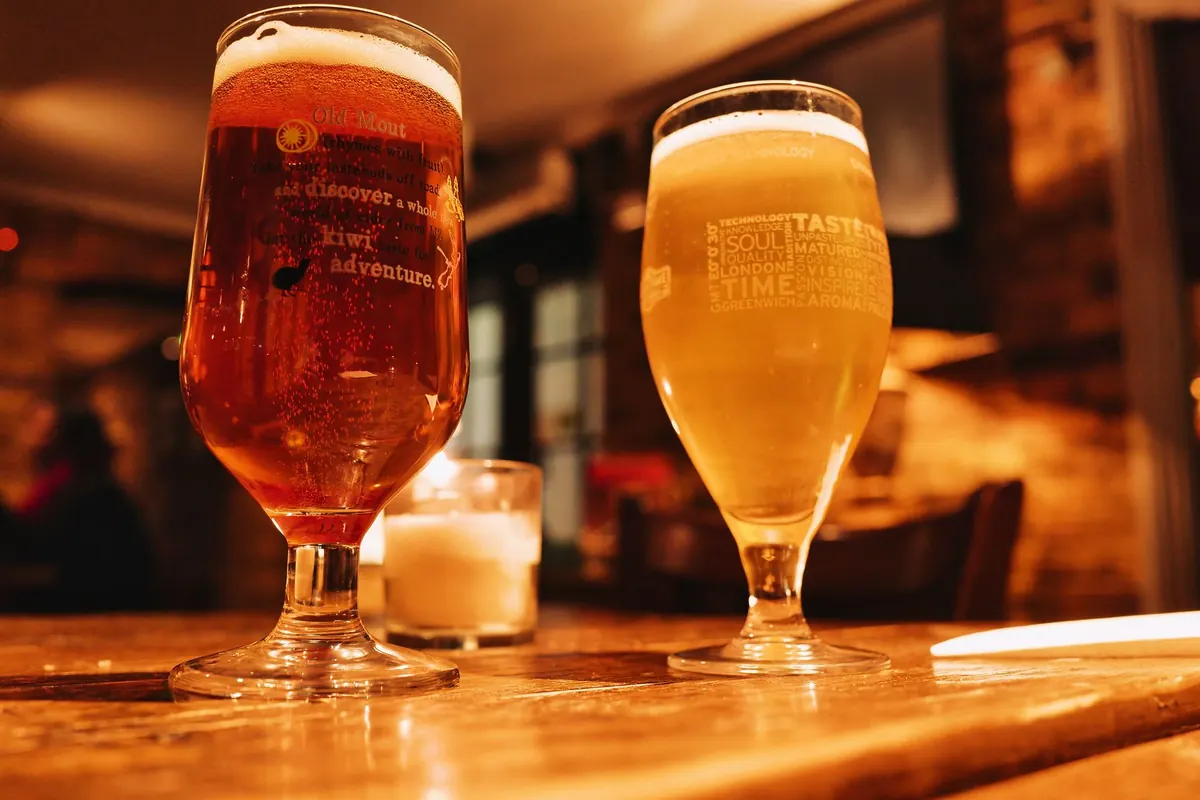
The fastest way to understand all of this is a side-by-side tasting. Buy two bottles of similar strength and color — a German pilsner and an American pale ale, or a helles and a blonde ale — then work through them slowly.
- Chill both to about 7°C (45°F), then let them warm in the glass.
- Use the same type of glass for each so shape isn't a variable.
- Smell before you sip. Note fruit, spice, bread, grass, sulfur.
- Taste, swallow, and wait. Which finish fades fast, and which stays?
- Take a bite of bread with butter, then a bite of sharp cheese. See which beer handles each better.
Do that once or twice and you'll stop reading tap lists as a list of names and start reading them as a set of expectations. That's the whole point of learning the difference — not to pick a side, but to order better.
Photo: Pexels / Pixabay
Related posts
More stories you’ll love reading